
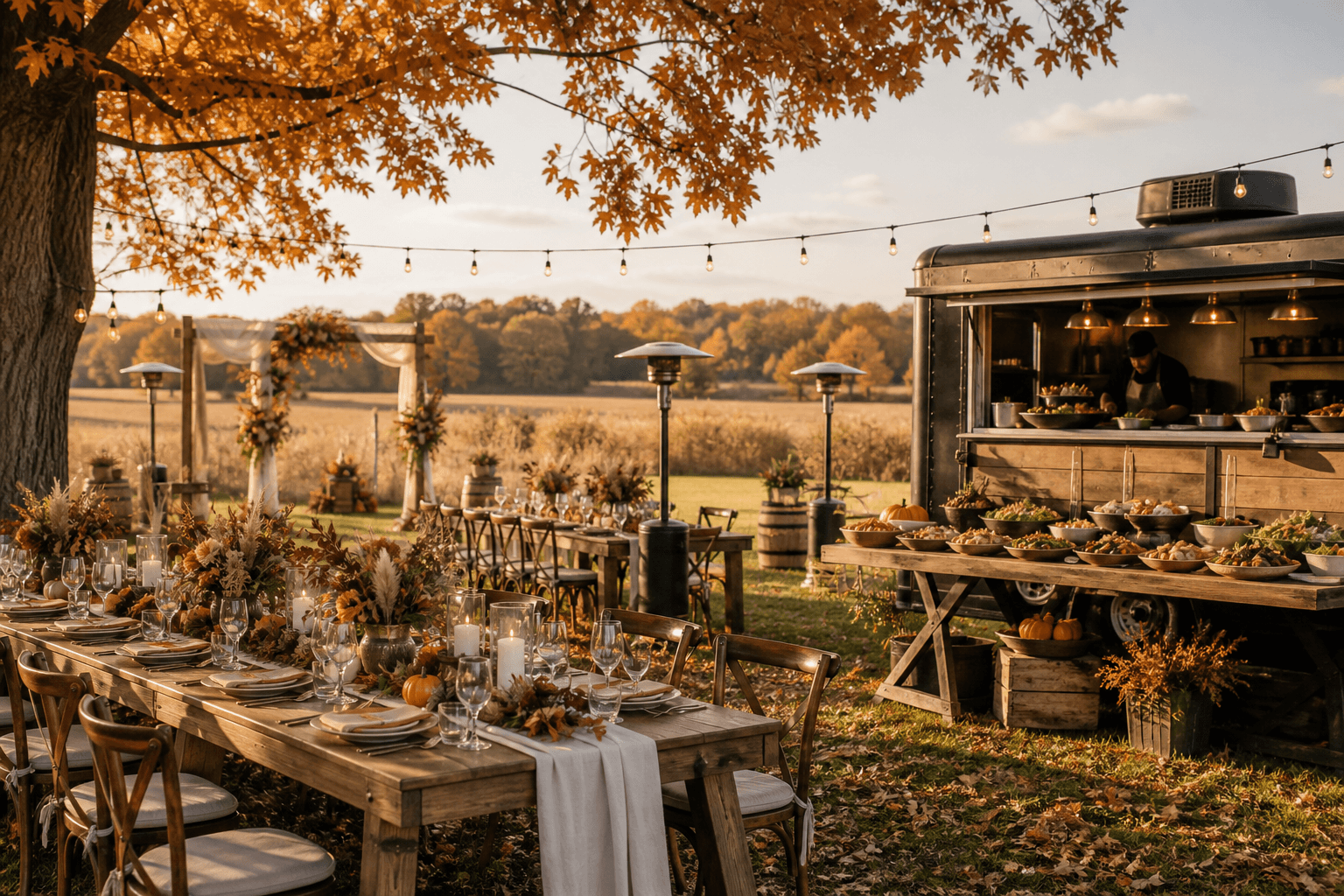
With most of the 2026 summer wedding and festival rush now behind operators, this is the right point to tighten the paperwork for autumn bookings and build a better permission process for 2027.
1. Confirm your food business registration
Every mobile food business must be registered with the local authority where it is based, normally at least 28 days before trading. Registration is free and applies to food vans, trailers, market stalls and other mobile premises.
Registration is not the same as a food hygiene rating. A rating is an inspection outcome; registration is the basic legal requirement to operate. Check the official guidance through GOV.UK, then confirm that your registered activities still match what you do.
Tell your authority if you have changed:
- Your operating address or storage arrangements
- The type of food you prepare
- Your vehicle, trailer or preparation unit
- Your trading model, such as adding off-site event catering
Do not rely on a venue saying that it has “approved caterers”. That may describe its own supplier policy, not your registration position.
2. Ask whether the site needs planning permission
A private landowner can invite you onto their land, but the use of the land may still raise planning questions. This is more likely where catering is regular, equipment stays in place, several traders operate together, or the event involves marquees, generators, toilets, signage or customer parking.
Ask the landowner or event organiser:
- Has the site’s planning use been checked for this event?
- Who is responsible for temporary structures and event infrastructure?
- Is the trading area within any restrictions imposed by the local planning authority?
- Are there limits on trading hours, noise, traffic or waste?
For a one-off booking, the organiser may handle this. Get that confirmation in writing rather than treating a verbal assurance as cover. The Planning Portal explains the general position on temporary structures, but your local planning authority is the final point of contact.
3. Check street-trading rules anyway
Private land often falls outside street-trading consent rules, but not always. Councils define “street” and “street trading” differently, and some controls cover places the public can access even where the operator does not own the land.
Email the council’s licensing team with:
- The exact site address and a pin
- Dates and trading hours
- A description of your unit
- Whether customers will queue or eat on site
- The organiser’s name and contact details
Ask for a written answer on whether street-trading consent, a market licence or another local permission is needed. This small check can prevent an expensive cancellation after you have bought stock and paid staff.
4. Separate food permissions from event licensing
Food sales are not automatically covered by an event’s licence. The organiser may need a premises licence or Temporary Event Notice, particularly where alcohol, regulated entertainment or larger public events are involved.
Ask for a copy of the relevant licence or event plan and confirm:
- Whether your trading area is included
- Who controls alcohol sales
- Who manages crowd safety, fire arrangements and evacuation
- Whether your service times fit the permitted hours
- Who reports incidents or complaints to the council
If you are only serving food, you may not need your own licensing application. But do not assume the organiser’s paperwork covers your business activities without checking.
5. Build a permission pack before accepting the booking
Venues commonly ask for public liability insurance, food hygiene certificates and risk assessments. You should also have product liability cover, and employers’ liability insurance if you employ staff, subject to the legal exceptions. GOV.UK explains employers’ liability requirements.
Keep one current pack containing:
- Food business registration details
- Latest food hygiene rating, where applicable
- Insurance certificates
- Gas, electrical and equipment inspection records
- Allergen information and food-safety procedures
- Waste and wastewater arrangements
- Your emergency contact and cancellation terms
This week’s practical move: email every autumn booking asking who holds responsibility for planning, event licensing, waste, power and customer safety. Separately, send your next two site addresses to the relevant council licensing teams and ask for a written street-trading decision.
Private land can make access easier. It does not make compliance optional. The operator who checks the site, documents the answer and puts responsibilities into the booking contract is the one least likely to lose a day’s margin to a last-minute enforcement problem.