
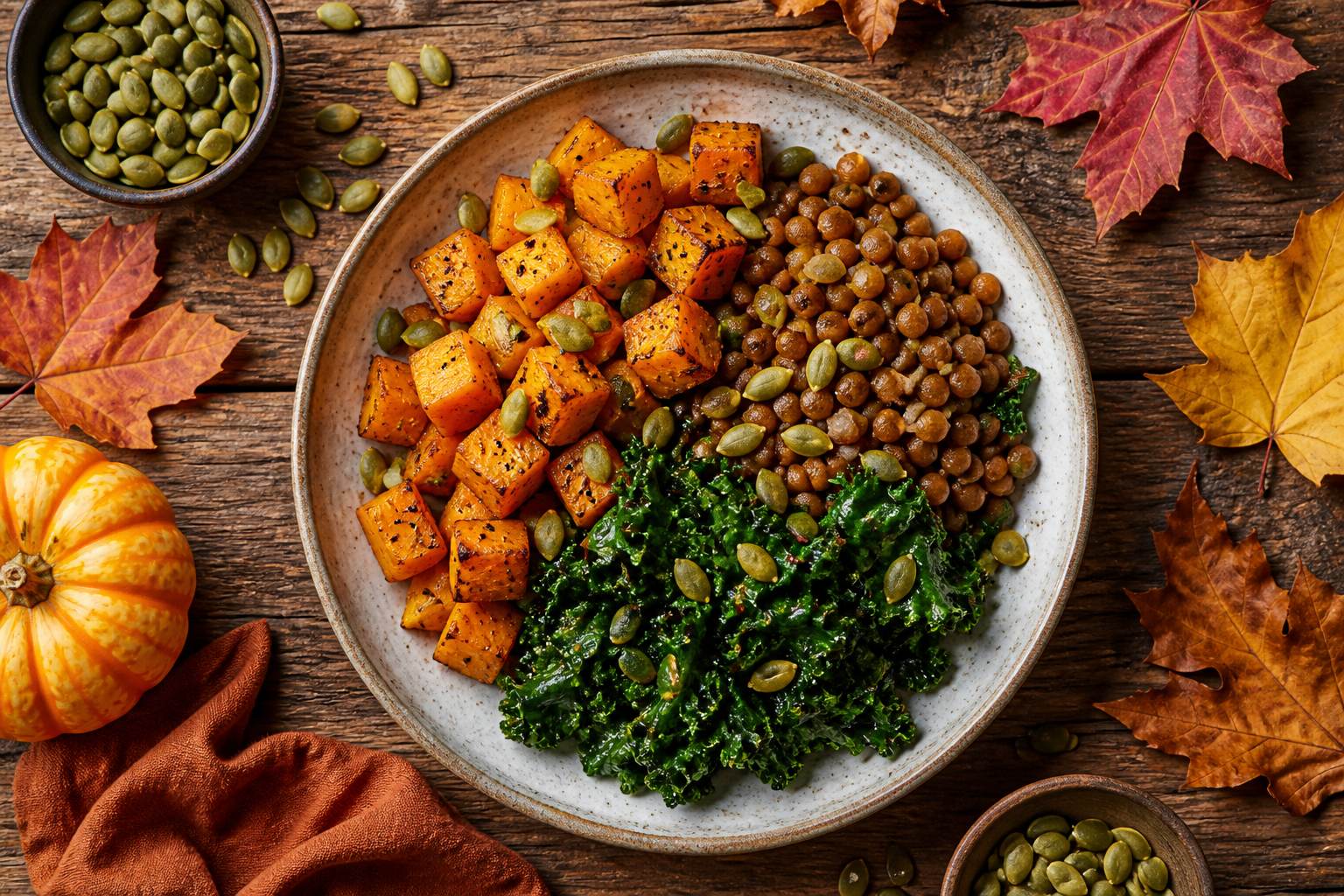
The mistake is treating an autumn menu as a branding exercise. For a mobile operator, it is an operational decision. A dish that sounds seasonal but needs five extra ingredients, a slower cook time and a separate prep routine can reduce profit even if customers like it.
Week one: design for margin and movement
Start with two seasonal additions and one existing item to retire or simplify. Keep the test small enough to manage from one prep list and one service station.
Good autumn candidates usually share three characteristics:
- Ingredients overlap with your current menu.
- They can be batch-prepared or finished quickly.
- They travel and hold quality well in takeaway packaging.
Think about a soup using an existing stock base, a loaded baked potato with toppings already used elsewhere, or a seasonal filling that works in both a main and a side. Avoid introducing a product that requires a new piece of equipment or a completely separate supplier relationship for a three-week trial.
Cost every portion properly. Include:
- Main ingredients and garnishes
- Packaging
- Sauces, oils and condiments
- VAT treatment where relevant
- A realistic allowance for waste
Then calculate contribution margin:
Selling price minus variable cost = contribution per item
If a £10 item costs £3.20 in food and packaging, its contribution is £6.80. That is more useful than food-cost percentage alone because it tells you how much each sale contributes towards labour, pitch fees, fuel and profit.
The Food Standards Agency’s guidance on food safety management is also worth checking before adding chilled, cooked or reheated products. Seasonal comfort food often brings extra cooling, holding and reheating risk.
Week two: test the service, not just the recipe
Your second week should answer a harder question: can the item make money during a queue?
Track each test item separately at every service:
- Units prepared
- Units sold
- Selling price
- Variable cost per unit
- Waste or unsold portions
- Refunds, remakes and complaints
- Average preparation or hand-off time
A dish with a strong theoretical margin can still lose money if it holds up the queue. Record whether it needs an extra assembly step, a second staff member or repeated explanations at the till.
Set a simple threshold before trading. For example:
- Minimum contribution per sale
- Maximum acceptable waste
- Maximum extra service time
- Minimum number of sales per service
Do not move the goalposts because you personally like the dish. Customer interest is useful; profitable repeatability is the test.
Weather matters in autumn, but do not assume colder means more hot-food sales. Rain can reduce footfall, while a mild, dry day can favour faster handheld food. Log conditions alongside sales so you can separate a product problem from a pitch or weather problem. The Met Office provides useful context on typical autumn conditions, but your own trading log is the more valuable evidence.
Week three: make the keep, change or cut decision
By the third week, stop treating the items as special experiments. Put them into normal service and see whether they survive pressure, prep constraints and ordinary customer demand.
Keep an item if it:
- Delivers a healthy contribution per sale
- Uses ingredients across more than one menu line
- Creates limited waste
- Can be served without slowing the queue
- Gives customers a clear reason to return
Change it if the flavour works but the economics do not. A smaller portion, fewer toppings or a higher price may fix the issue. Cut it if it needs too much labour, creates stock risk or sells only when heavily explained.
One useful rule: do not buy seasonal stock on the assumption that the menu will work. Buy enough for the next few services, review actual sell-through, then scale purchasing.
What to do this week
- Choose two autumn items with maximum ingredient overlap.
- Cost them including packaging and waste.
- Set a minimum contribution and maximum service time.
- Run the same test across three different services or pitches.
- Review sales, waste and queue impact before printing permanent menus.
Update prices and mark items sold out quickly when demand changes. If you use the YumYard app, its menu updates can help you adjust seasonal specials while service is still moving — but the decision should come from your margin and service data, not the novelty of the season.